Project
Psmart
Design and implementation of secure smart devices for the preservation of tangible cultural heritage
Considering the need to find economically feasible and technically safe solutions to meet the needs of modern cultural organizations in the North Aegean regarding the preservation of cultural heritage, this project aims to provide the equipment needed to build a research infrastructure in the Department of Cultural Technology and Communication. This infrastructure will support the creation of a complete production line for the design, development and configuration of smart network devices and the respective secure management software, aiming to protect exhibits kept in cultural organizations from environmental threats.
The development of this infrastructure is based on an interdisciplinary approach and will support the design and development of integrated, technologically innovative and safe solutions to specific real-world problems faced by cultural organizations in preserving their collections. A complete research infrastructure and its corresponding production line will be created to implement three main actions:
A. Design and development of smart devices
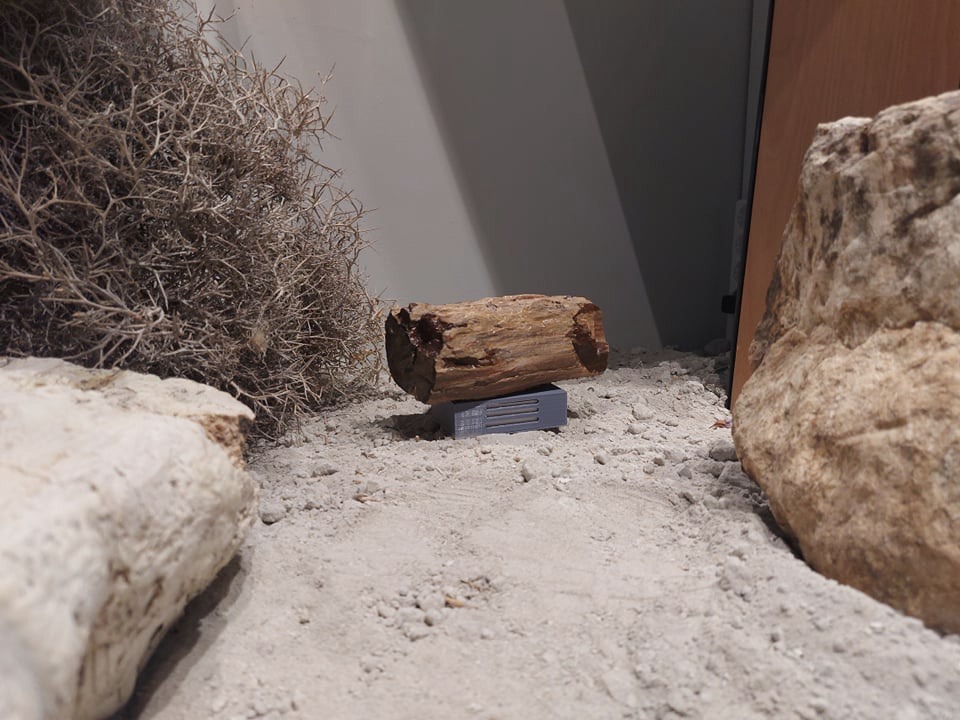
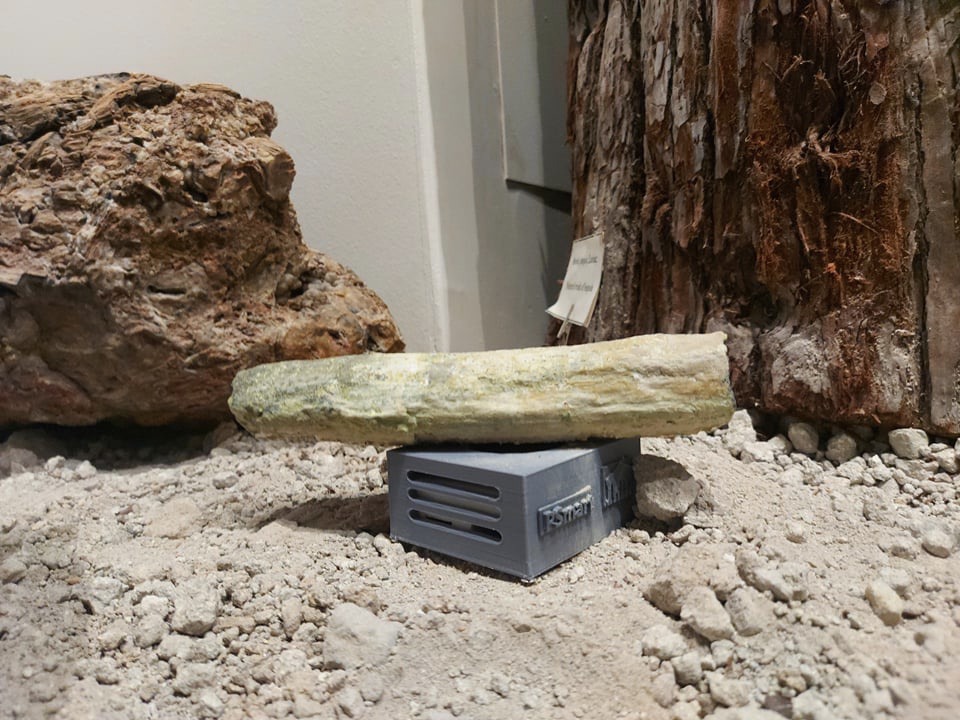
Smart devices will be designed and developed using 3D printing, in accordance with the requirements of each cultural organization regarding technical characteristics, size, color and other specifications. 3D printing provides a fast and innovative way to create the materials envisioned by the designer to meet specific needs. For this action, the needs of each cultural organization will be considered, and the shells of the smart devices that will accommodate the sensors will be designed and printed according to the measurements required for each category of exhibits.
B. Design and assembly of sensors
A complete set of sensors will be designed and assembled according to the needs of the cultural organization and customized to the devices being developed. Alongside the 3D design and printing of the shells in the first phase, each sensor's hardware and its connection to the other parts of the device will be designed. Each device will then be assembled and completed according to the needs of the cultural organization. The necessary checks will be carried out with special calibration instruments to verify the accuracy of environmental parameter measurements before installing the devices.
C. Secure software for remote monitoring
Secure software will be designed and developed for the external remote monitoring of smart devices. An important aspect of the proposal's innovation is software that interconnects devices and informs cultural curators through devices they already use, such as mobile phones and tablets. The software will connect to a database where all sensor values will be stored. Curators will be able to monitor each sensor remotely and receive alerts according to the normal ranges configured for each sensor. Throughout communication between the sensors, the database and the curators, the basic security requirements of confidentiality, integrity and availability of information and related services will be satisfied.